
Kodiak Brown Bear Hunting Dates and Rates:
Spring season is April 1st – May 15th Fall season October 25th-November 30th.
Hunt cost - $31,000 for 2027
Optional add ons:
Sitka blacktailed deer add- On- $3500
Observer - $6000
Campbell’s High Caliber Guide Service has been awarded an exclusive big game guiding permit in our primary hunting area. This acts to improve the already amazing bear hunting opportunity available at High Caliber! This hunt involves a cabin-based operation with 15 miles of accessible beach and access to every major drainage in the unit, making it one of the true gems of Kodiak brown bear hunting.
Additional Required Expenses (Not Included)
The following costs are required and paid directly by the hunter:
- Alaska hunting license and brown bear/deer locking tags
- Required transportation to and from the hunting area
- Applicable third party land access fess
- Gratuities for guides and staff (customary but not required)
Certain land access fees are assessed by third party landwoners and permitting entities and are subject to change annually. These fees are not retained by the outfitter.
Application for the draw is November 1 through December 15 each year. Odds of drawing are high. Hunts take place the following year.
BOOK YOUR KODIAK ISLAND
BROWN BEAR HUNT TODAY!
CALL: 907-654-5378
Kodiak Island Brown Bear Hunts
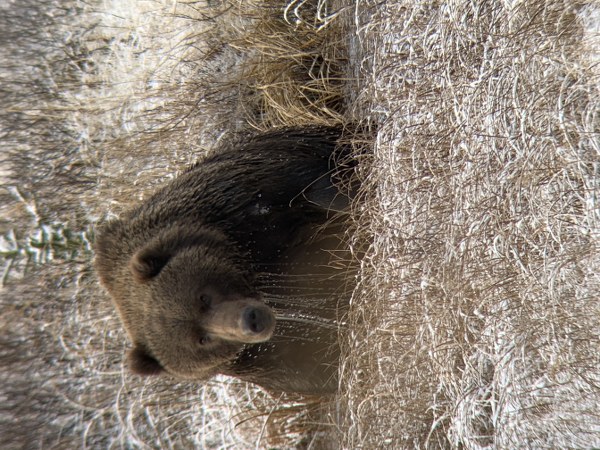
A mature Kodiak brown bear is widely regarded as one of the greatest big-game trophies on the North American continent. These bears are products of a harsh and demanding environment, shaped by rugged terrain, extreme weather, and constant competition. Survival on Kodiak Island favors strength, intelligence, and experience.
Brown bears are born into a competitive world. Females select remote, difficult terrain for denning in order to reduce encounters with other bears, particularly adult males. Even so, survival rates for cubs are low. Dominant boars represent a constant threat, and natural selection begins early. Cubs that survive their first years learn quickly, guided by their mother’s instincts and avoidance strategies.
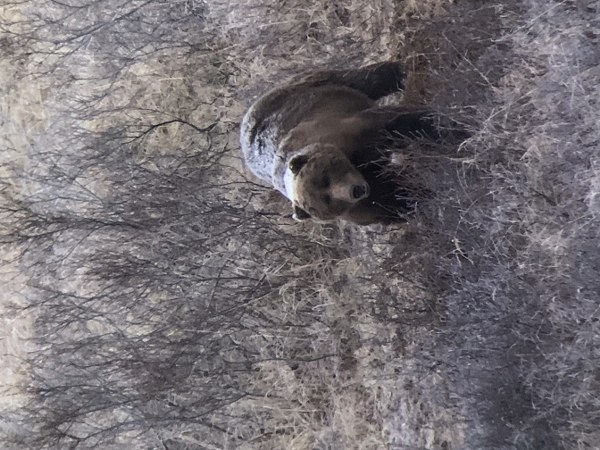
As brown bears grow, competition intensifies. By the time a boar reaches maturity—often around seven years of age—he has encountered larger bears, established dominance hierarchies, and learned how to navigate risk. Mature boars are cautious animals that associate human scent with danger and rely heavily on their sense of smell to survive.
With the arrival of spring, dominant boars emerge from winter dens earlier than other bears. During the breeding season, they cover extensive ground searching for receptive sows. Competition among males is intense, and dominant boars often displace or kill cubs to bring females back into estrus. This behavior, while harsh, is a documented and natural component of brown bear biology and plays a role in shaping the population.
Breeding behavior in brown bears reflects this same dominance structure. Large boars rely on size, strength, and persistence to secure breeding opportunities. Sows may attempt to avoid males by traveling through steep, snow-covered terrain, but dominant boars are exceptional climbers and highly capable in difficult conditions. These interactions are part of the natural life cycle of the species.
Through these pressures—competition, infanticide, breeding dominance, and environmental hardship—the population produces the large, experienced boars that define Kodiak Island brown bears. These animals are not reckless; they are survivors that have endured years of conflict, scarcity, and danger.
Hunting Kodiak brown bears requires patience, respect for the animal, and an understanding of their biology and behavior. Success depends on disciplined glassing, knowledge of terrain, and ethical shot placement. These hunts are physically demanding and mentally challenging, offering an experience rooted in fair chase and respect for one of North America’s most powerful predators.
At Campbell’s High Caliber Guide Service, we emphasize ethical hunting practices, conservation, and safety. Kodiak brown bear hunts are not simply about the trophy—they are about earning an experience in one of Alaska’s wildest and most unforgiving landscapes.
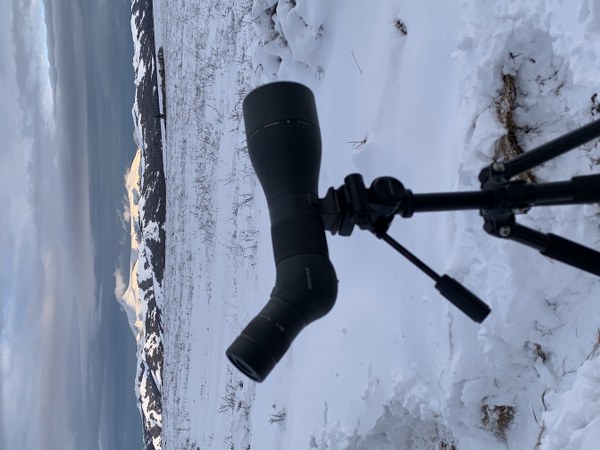
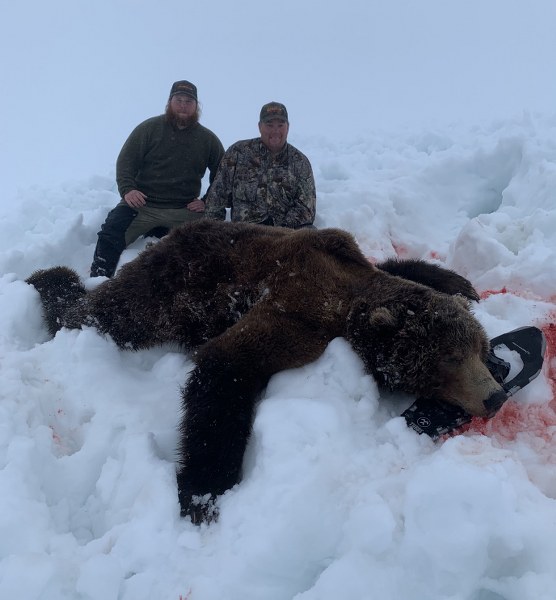
Kodiak Island, Alaska—this is where Campbell’s High Caliber Guide Service comes into play. Patience is critical when pursuing Kodiak brown bears. Humans are the only true predator of mature boars, and the mountain monarch—the Kodiak brown bear—is acutely aware of that fact. Having been hunted twice annually since leaving its mother, a mature boar that reaches fifteen years of age has survived as many as twenty-four hunting seasons. That level of survival creates an animal worthy of pursuit and defines what many consider the greatest trophy in North America.
Targeting mature boars plays an important role in bear management. Removing dominant males can reduce cub mortality, allowing more cubs to reach adulthood. This contributes to a healthier and more stable bear population. Without regulated hunting, increased competition among bears for breeding opportunities and food resources can negatively impact overall population dynamics. Maintaining a healthy ratio of sows to boars is critical to effective bear management. By selectively harvesting mature males, bears are allowed to reach their genetic potential, helping ensure long-term sustainability and trophy quality—an outcome especially important on Kodiak Island.
The Kodiak brown bear is the only subspecies of brown bear growing the largest skull's of all brown bears. Isolated from other populations thousands of years ago, the Kodiak brown bear is classified as Ursus arctos middendorffi, distinct from mainland brown bears often classified as Ursus arctos horribilis. Approximately one in two male Kodiak brown bears has the genetic potential to produce a Boone and Crockett–class skull—the highest percentage of trophy-class bears found anywhere in the world. By comparison, on the Alaska Peninsula, only about 33 percent of males exhibit that same genetic potential.
Campbell’s High Caliber Guide Service operates across the Kodiak Archipelago, hunting areas known for producing exceptionally large, dominant bears. Our hunts take place during both spring and fall seasons across multiple draw areas, including exclusive guide-use areas in select units. Additional controlled land-use permits are utilized to maximize hunt quality and opportunity.
Hunt difficulty and success depend heavily on the individual hunter. Simply put, the more bears a hunter is able to pursue, the greater the chance of success. As with any predator hunt, the first stalk does not always result in an opportunity. Success may depend on weather conditions, bear movement, or shifting winds. The ability to continue hunting day after day significantly increases success rates, making these hunts physically demanding.
Physical limitations are understandable, and our guides work to tailor each hunt to the hunter’s abilities whenever possible. For our primary cabin-based hunts, boat access is used to help reach productive areas efficiently, allowing hunters of varying physical capabilities to participate successfully. While brown bear hunts remain demanding by nature, careful planning, flexible strategies, and experience help create opportunities across a wide range of fitness levels.
Campbell’s High Caliber Guide Service also accommodates bow hunters.
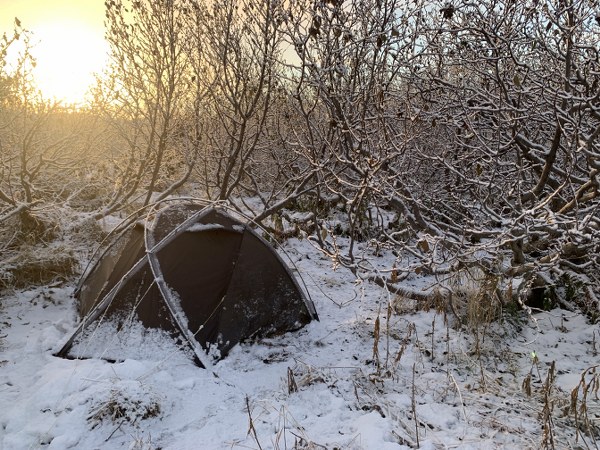
Most hunts are based out of a primary camp, and in some cases a cabin may be available. When possible, hunters return to camp each evening. Meals include hearty, real food designed to maintain energy and morale. During many spring hunts, spiking out from base camp is necessary. In these situations, hunters carry supplies for up to seven days in the field. All required equipment and freeze-dried meals are provided, along with supplemental snacks. Spring hunts often require additional mountaineering equipment to be carried daily due to snow conditions and terrain.
.jpg)
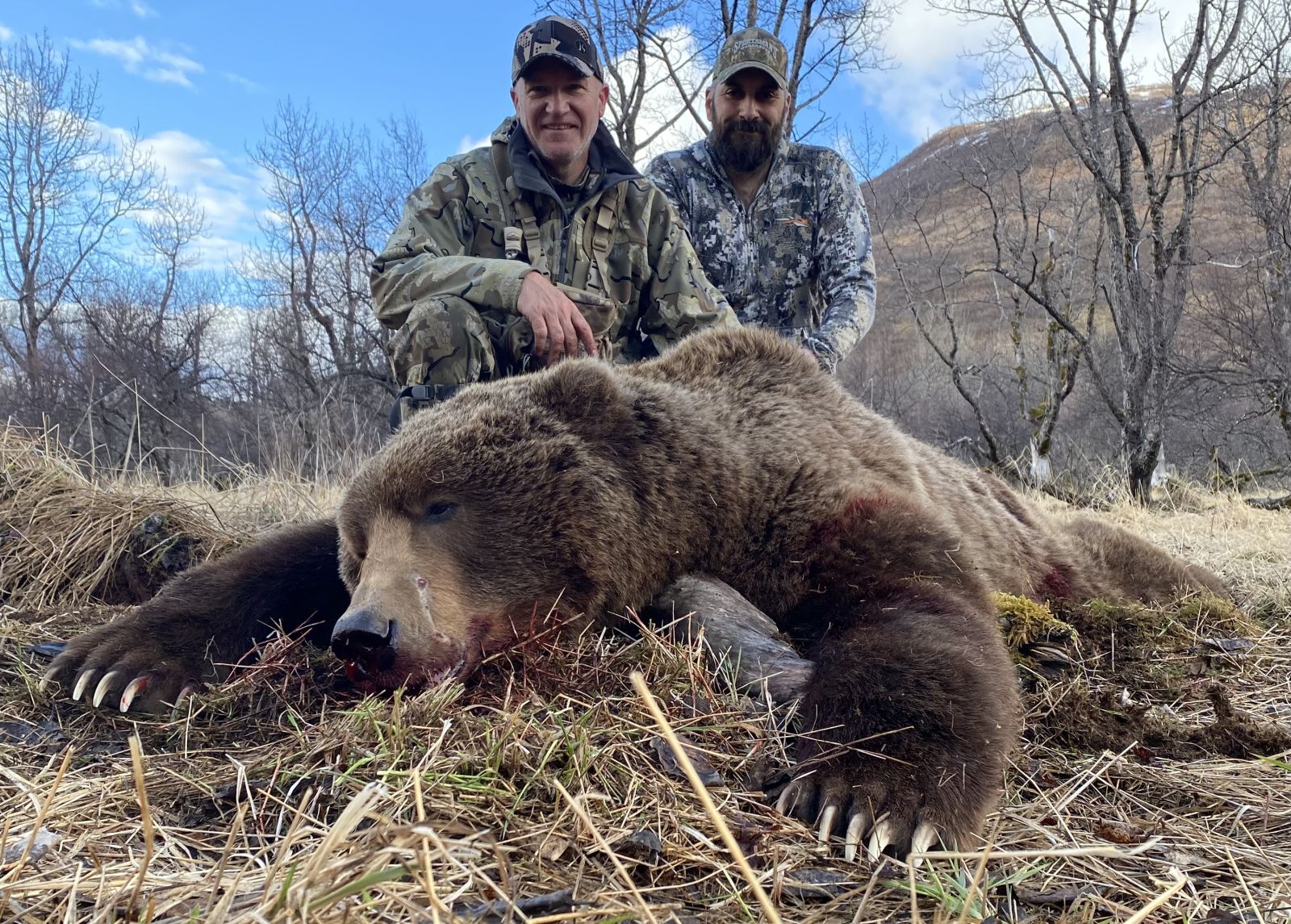
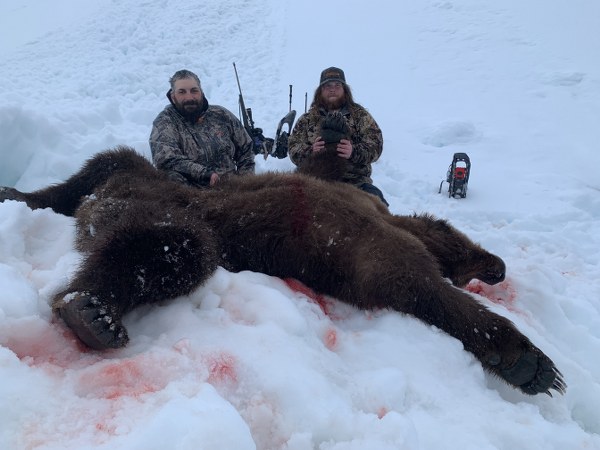
Spring hunts offer increased bear activity, much of which takes place in high, snow-covered alpine valleys. Days are longer during the spring season, though hide quality can vary. Some bears may show rubbing, while others may carry exceptional hides.
Fall hunts generally produce hides in more consistent overall condition, with fewer noticeable rubbed bears. Daylight hours are shorter, typically ranging from approximately 8:00 a.m. to 6:00 p.m. During the fall, bears have been feeding heavily on the abundant food sources Kodiak Island provides, including salmon in the rivers within our hunting areas. As winter approaches, bear movement begins to slow, which can sometimes allow for more deliberate and manageable stalks.
Hunting dangerous game is a serious undertaking. A foundational principle of the Boone and Crockett Club is that all animals be taken in an ethical manner, and Campbell’s High Caliber Guide Service holds that standard at the forefront of every hunt. Brown bears are extremely tough animals and can be difficult to kill cleanly. We recommend rifles chambered in .338 caliber or larger. Most shots are taken at 200 yards or less, and the first shot is critical. Hunters should be prepared to reload and fire again immediately if necessary. Guides will do everything within reason to prevent wounded animals from escaping. A wounded bear not only suffers unnecessarily but can also pose a serious danger to other wildlife and people.
Boone and Crockett Club, Safari Club International (SCI), or Pope and Young entries mentioning the name of our outfit is awesome!
A Kodiak Brown bear hunt with Campbell's High Caliber Guide Service is not just a pursuit of a trophy, but a once-in-a-lifetime experience rooted in ethics, preparation, and respect for of North Americas's greatest game animals.